Some students thrive in a traditional brick-and-mortar classroom. Others, especially those with learning disabilities, may benefit from a smaller, more personalized educational environment. Two options you may want to consider for your child are homeschooling and microschooling. Both of these schooling options offer smaller learning settings and more flexibility than traditional schools. If your child has ADHD or a learning disability such as dyslexia, dysgraphia, or dyscalculia, choosing the right school environment can make a significant impact on their academic success.
What Is Homeschooling for Children with Learning Disabilities?
Homeschooling is a schooling option that allows parents to have ownership of their child’s education. As a homeschool parent, you can choose the curriculum, schedule, and teaching approaches that you feel are most suitable for your child. With this type of schooling, you can customize the instruction to your child’s needs, which may be very important if they have a diagnosed learning disability or ADHD and struggle in a more traditional school environment. The flexibility of homeschooling is also beneficial for students who have a learning disability or ADHD and need a more customized approach to learning and scheduling.
What Is a Microschool and How Does It Help Students with Learning Disabilities?
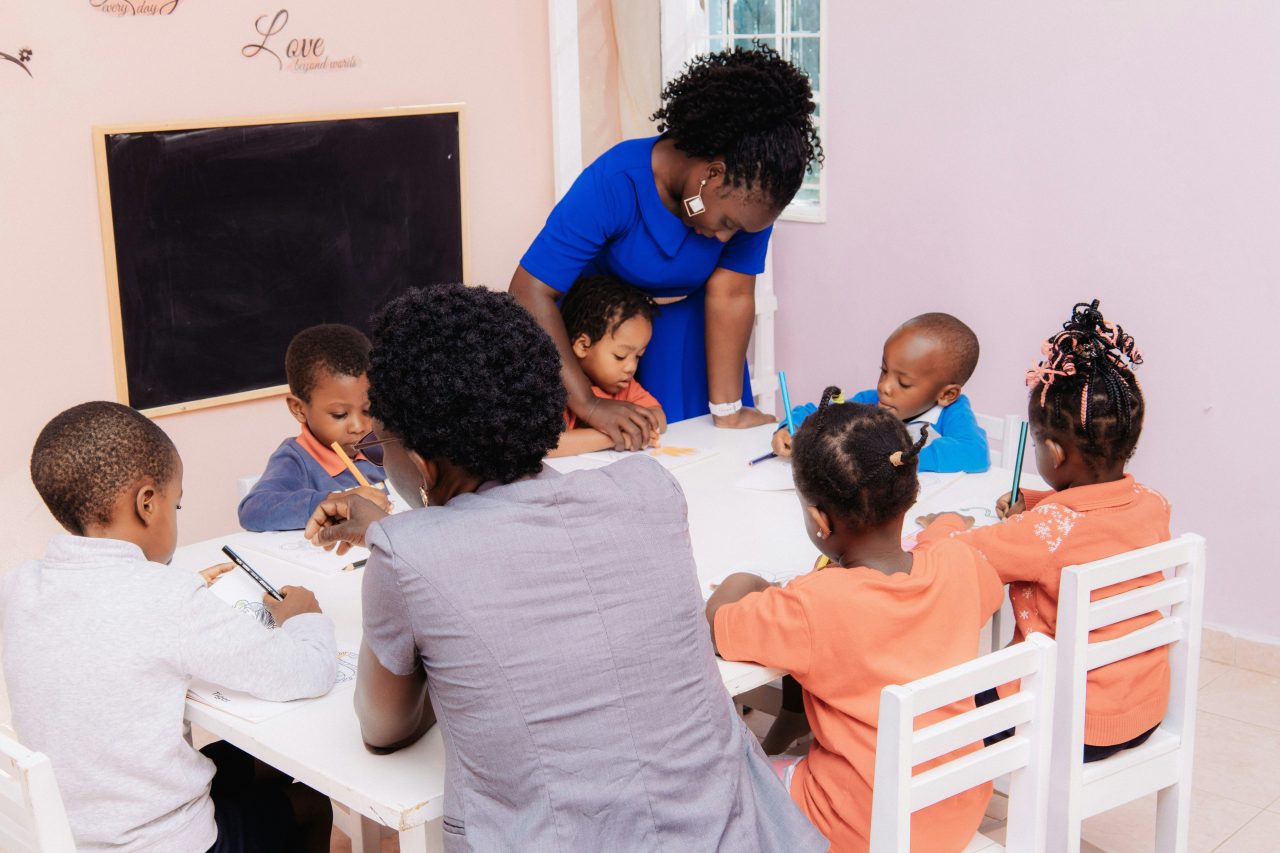
Microschools are small learning environments where the curriculum and schedule are customized to the needs of each group. They offer individualized instruction, customized learning, strong teacher-student relationships, and social interactions. Many parents feel the innovative, customized learning that microschools offer can be a great choice for their child with a learning disability or ADHD.
Who Should Choose a Microschool?
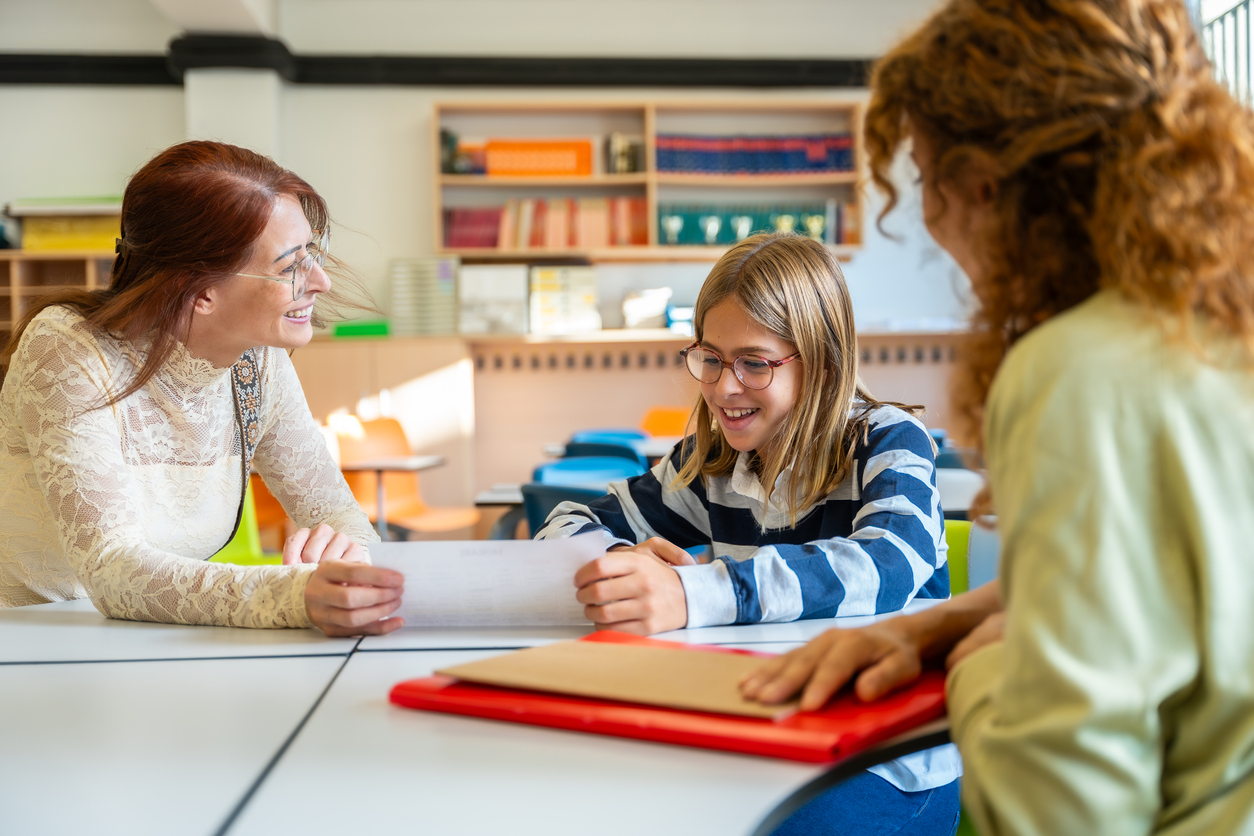
A microschool can be great option for students who don’t thrive in a traditional larger classroom setting. Students with learning disabilities and ADHD may especially benefit from a microschool that offers individualized instruction catered to the needs of special education students - often with a small group of other students with similar profiles. The group may encompass students with similar special education needs, learning challenges, or attention difficulties. Many students who don’t have learning or attentional challenges also benefit from this small, nurturing setting that offers instruction tailored to their needs.
Differences Between Homeschooling and Microschools for Students with Learning Disabilities and ADHD
While homeschooling and microschools both offer smaller environments with more individualized instruction – ideal for students with learning disabilities – they also have some differences. Let’s look at a breakdown of homeschooling versus microschooling:
Homeschooling
- Parent is in control of the instruction
- Flexible learning schedule
- Highly individualized instruction, customized to student’s needs
- Specialized techniques, such as Orton Gillingham tutoring or executive functioning coaching, can be integrated
Microschooling
- Formal teachers typically lead instruction
- Small class sizes versus one-on-one learning
- More social interaction with other students
- Structured academic environment
- Groups can be catered to special education students with similar learning profiles
Some parents prefer homeschooling since it allows them to have control of their child’s learning and create a learning plan that they feel is most suitable to their child’s needs. Other parents prefer microschools because they offer more of a hybrid between a traditional school and homeschooling, including small-group instruction that is still individualized to their child’s needs.
Which Option is Better for Students with ADHD and Learning Disabilities?
If you have a child with a learning disability, both homeschooling and microschooling can be great options. Students who have dyslexia, ADHD, autism, or learning disabilities tend to benefit from individualized instruction with specialized approaches, such as the Orton Gillingham method and multi-sensory teaching.
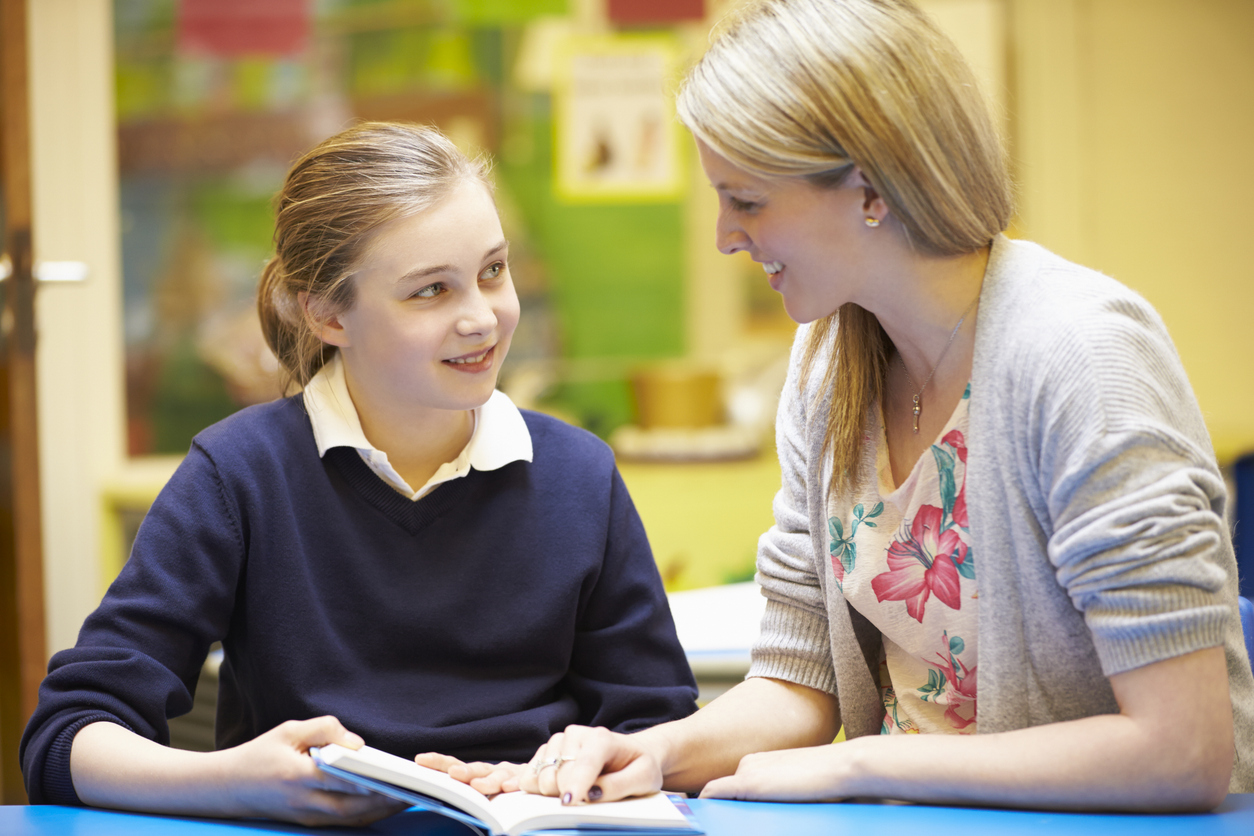
Homeschooling allows you as the parent to provide instruction at your child’s specific level and pace, and you can decide on the curriculum that is most suitable for your child. You can integrate multi-sensory tools or Orton Gillingham tutoring if you feel those are optimal choices for your child.
A microschool can also be a great choice for your child with a learning disability since they offer smaller class sizes, social interactions, and an individualized approach to learning.
Read more about homeschooling your child with a learning disability at How a Tutor Can Support Your Child’s Homeschool Education in Florida
The Role of Tutoring for Students with ADHD and Learning Disabilities in Homeschooling and Microschools
Whether you choose to homeschool your child or select a microschool for them, they may still benefit from supplemental specialized tutoring to further develop their core academic skills. Some examples of how tutoring may help your child who is homeschooled or attends a microschool are as follows:
- Students with dyslexia may benefit from Orton Gillingham reading tutoring.
- Students with dysgraphia, or a writing learning disability, may benefit from research-based, multi-sensory writing tutoring.
- Students with dyscalculia, or a math learning disability, may benefit from specialized multi-sensory math tutoring.
- Students with ADHD may benefit from executive functioning coaching.
Learn more about Orton Gillingham tutoring at What Is Orton Gillingham Tutoring? A Guide for Parents
At Knowledge Plus Tutoring, we offer specialized one-on-one tutoring for students with learning disabilities and ADHD to support both homeschool and microschool students.
Both homeschooling and microschooling can be great options for your child, especially if they have a learning disability or ADHD. The best option depends on your child’s specific learning disability, academic needs, personality, social preferences, and learning style. Some students thrive with the flexibility and individualized instruction that homeschooling offers, while others benefit from the structure and more social dynamic that microschooling entails.
If you are exploring alternative school and tutoring options for your child, working with a learning specialist can you help identify the best option for your child.
Frequently Asked Questions
Are microschools good for students with ADHD?
Yes! Microschools can be great options for students with ADHD. They typically offer small class sizes, structured routines, individualized instruction, and specialized techniques for students with ADHD. This model can help students with ADHD improve their focus, executive functioning, and social skills.
Is homeschooling or microschooling better for students with dyslexia?
For students with dyslexia, both homeschooling and microscholing can be good choices. Homeschooling offers individualized instruction and can integrate specialized techniques such as one-on-one Orton Gillingham reading tutoring or other multi-sensory approaches. Microschools can provide structured learning environments, close teacher-student relationships, and peer interactions. The best choice depends on your child’s individual needs and profile.
Can you combine homeschooling with tutoring for learning disabilities?
Yes! Tutoring can absolutely be integrated into your child’s homeschool program. In fact, many families combine homeschooling with specialized tutoring, especially if their child has ADHD or a learning disability. By doing so, you can choose the curriculum you feel is best for your child but also bring in experts for targeted one-on-one support for skills such as reading, writing, math, or executive functioning.
Dr. Emily Levy, the executive director of Knowledge Plus Tutoring, holds her Doctorate Degree in Education and her Master’s Degree in Special Education. She has been helping students with learning disabilities and ADHD for over twenty years.