
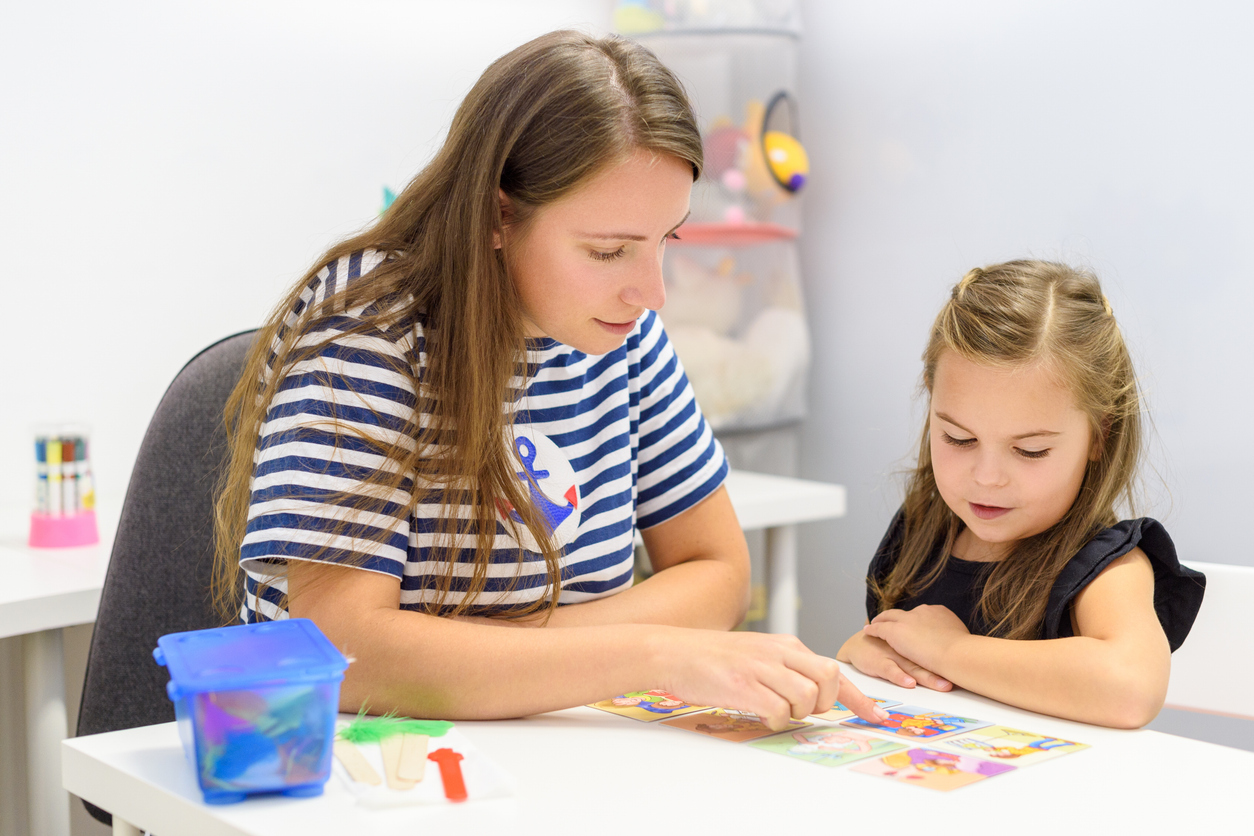
Many students enjoy spending time outside, playing in parks, and relaxing at a beach during the summer. Yet summer is a long stretch of time without continued learning, and for students with ADHD and learning disabilities, this gap in schooling can cause significant learning loss. Summer tutoring can help students with ADHD and learning challenges continue to build their academic skills, prevent the summer slide, and start the school year on a positive note. What are the benefits of summer tutoring?
Students with ADHD and learning disabilities are more at risk for the summer slide
Students with ADHD and learning challenges tend to thrive with structure and consistent learning. They respond well to repetition and the integration of previously taught concepts while new concepts are introduced. When the school year ends, however, structured and consistent routines tend to fall by the wayside. Without continuous learning over the summer, students with learning challenges and ADHD may experience the following:
- Diminished reading skills
- Math computation and word problem solving struggles
- Study and executive functioning skills weaknesses
- Decreased academic confidence
- Increased frustration
Research indicates that over the summer, students can lose 20–30% of school year improvements in reading and math, which can lead to detrimental academic consequences. That is why many parents choose to pursue summer tutoring for their child. When tutoring is multi-sensory and highly tailored to your child’s needs, it can help them tremendously with continuing to develop their academic skills over the summer and can help prevent regression.
Skills building without the stress of school
Many students, especially those with learning challenges, have academic skills gaps. They may not have fully grasped certain math concepts, like multiplication, division, or rounding, or they might not have internalized core reading or writing concepts. With the stress and demands of school, it can be challenging to work on building these foundational skills and filling in gaps during the school year. Summer, however, is a deal time for foundational skills building, when the stress and demands of school are reduced.
During the summer, tutors can focus on:
- Building stronger decoding and spelling skills
- Enhancing reading comprehension and inferencing skills
- Developing writing skills
- Building math computation and word problem skills
- Teaching executive functioning strategies
- Helping students focus for longer stretches of time
- Developing foundational skills and academic gaps
- Strengthening self-confidence
Students with learning challenges and ADHD tend to excel with one-on-one summer tutoring that is research-based, multi-sensory, and catered to their unique needs.
Preventing back-to-school challenges
For students with learning disabilities and ADHD, transitioning back to school can be challenging. They must move from the unstructured, fun-filled days of summer to days filled with set routines and academic intensity. Summer tutoring can help ease this transition by building skills and confidence and helping students start the new school year on a positive note.
Summer tutoring can help students:
- Learn academic skills to start the school year stronger
- Strengthen their self-confidence
- Improve their willingness to participate in class
- Enhance their study and executive functioning skills
- Minimize frustration related to school
- Build their independence when completing schoolwork
For students with learning and attentional challenges, it is better to be proactive by planning summer tutoring rather than reactive in the fall, seeking support when the challenges of the new school year settle in.
Summer tutoring can boost self-confidence
Students with ADHD and learning challenges often feel discouraged and easily frustrated with their academic skills. They might watch their peers excel with reading, writing, and math while they continue to struggle. They may notice that their peers grasp concepts more easily than they do, resulting in diminished self-esteem. Summer tutoring can help combat these challenges.
Summer tutoring can help students:
- Feel successful academically
- Strengthen their self-esteem
- Be more motivated to exert effort at school
- Learn tools and strategies to boost their study skills and executive functioning skills
When students see their academic skills grow, in turn, they often become more confident and motivated.
Learn more about ADHD tutoring at Help Your Child With ADHD Build Stronger Organizational Skills | Knowledge Plus Tutoring
What an effective summer tutoring plan looks like
Summer tutoring program for students with learning disabilities and ADHD should be structured, multi-sensory, and individualized to each child’s needs. Specifically, it should be:
Individualized
Since each student possesses different strengths and weaknesses, their summer tutoring should be tailored to their needs. Students should begin with an academic assessment to gauge which specific areas they need help with. For example, some students may need help with decoding and spelling words and may benefit from Orton Gillingham tutoring. Others might have difficulty with their executive functioning skills and would benefit from executive functioning coaching. Some may need math remediation using research-based, multi-sensory techniques. An initial evaluation will help determine your child’s specific areas of need for their summer tutoring.
Multi-sensory
Students with ADHD and learning challenges tend to respond best to a multi-sensory approach to learning. Rather than just listening to a teacher or working out of a workbook, the lessons should integrate multi-sensory tools, such as magnetic tiles, shaving cream, colored highlighters, math manipulatives, and other related tools.
Structured lessons
Your child’s summer tutoring lessons should be structured and follow a systematic plan. They should begin at your child’s current levels and build upwards as your child grasps new concepts. Previously taught concepts should also be integrated as new lessons are introduced.
Consistent instruction
Students should receive summer tutoring that is consistent and follows a set schedule. This approach will allow for concepts to be reviewed and new ones to be introduced at a regular pace that is most beneficial for your child.
When should your child start summer tutoring?
You may want to consider looking into summer tutoring as soon as possible, ideally in the spring, especially if your child shows any of the following characteristics:
- Academic struggles during the school year
- Has ADHD or a diagnosed learning disability
- Needs extra help with reading, writing, or math
- Lacks confidence in their academic performance
- Has experienced the summer slide in the past
Plan your child’s summer tutoring early to help ensure they have consistent, structured learning over the summer.
How Knowledge Plus Tutoring helps students with ADHD and learning challenges with summer tutoring
At Knowledge Plus Tutoring, we specialize in help students with learning and attentional challenges, including students with ADHD, dyslexia, dysgraphia, dyscalculia, autism, executive functioning difficulties, and other types of learning disabilities. Our individualized one-on-one summer tutoring helps students develop their reading, writing, math, and executive functioning skills, either in person or virtually. Students can receive summer tutoring through our Boca Raton office, located at 433 Plaza Real Boca Raton, FL33432 or through our Orlando office, located at 480 North Orlando Avenue Winter Park, Florida 32789.
Contact us now to set up summer tutoring for your child.
Frequently Asked Questions About Summer Tutoring for Students with ADHD and Learning Disabilities
How often should my child receive summer tutoring?
The frequency of summer tutoring can vary based on your child’s needs. While many students benefit from 2–3 sessions per week, others need more or less tutoring. An initial assessment can help determine your child’s specific areas of need and help establish a summer tutoring plan that would be best for them.
Which skills should summer tutoring focus on?
Summer tutoring should be individualized to your child’s needs. Students with ADHD and learning challenges often need help with their foundational skills, including:
- Decoding and spelling
- Reading comprehension and inferencing
- Writing organization and elaboration
- Math computation and word problem solving
- Executive functioning, including planning, time management, and organizational skills
Can summer tutoring help improve my child’s ability to focus on tasks?
Yes! There are many strategies students with ADHD can learn through summer tutoring to help them stay focused on tasks for longer stretches of time. Summer is an ideal time to work on building these skills.
How soon should I plan my child’s summer tutoring?
The sooner you can start planning your child’s summer tutoring, the better. Many tutors create their summer schedules early in the spring, especially those who specialize in learning disability tutoring and ADHD coaching, so the sooner you can set up your child’s summer tutoring, the better.
Is summer tutoring covered by the Step Up for Students scholarship?
In many cases, yes, summer tutoring can be covered by Step Up scholarships. If your child is approved for the Personalized Education Program (PEP) or the Family Empowerment Scholarship - Unique Abilities (FES-UA), your child may qualify for free tutoring through their Step Up funds.
Learn more about using Step Up funds for tutoring at Who Is Eligible for Step Up for Students in Florida? Scholarships & Tutoring
Dr. Emily Levy, the executive director of Knowledge Plus Tutoring, holds her Doctorate Degree in Education and her Master’s Degree in Education. She has been helping students with attention and learning challenges for over twenty years.